
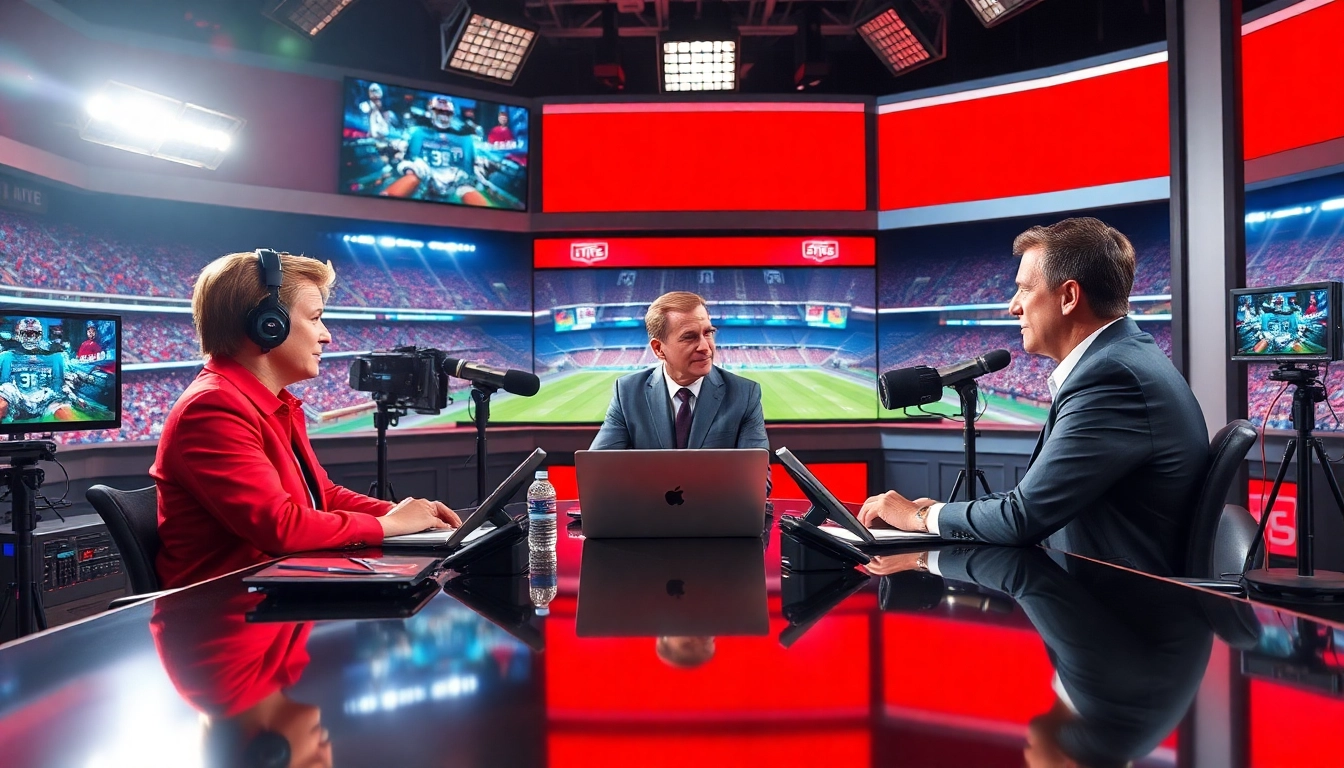
Understanding the Landscape of Sports Broadcasting
Sports broadcasting plays a crucial role in modern media, transforming the way audiences engage with athletic events. As viewership continues to expand, grasping the fundamentals and complexities of this industry is imperative. This form of broadcasting not only entertains but also creates a sense of community and engagement among fans. By providing insights into the latest developments, challenges, and opportunities that arise within Sports Broadcasting, we can better appreciate its significance in contemporary culture.
Defining Sports Broadcasting and Its Importance
Sports broadcasting refers to the live transmission and analysis of sporting events across various media platforms, including television, radio, and digital channels. The primary goal is to engage fans and provide them with real-time access to their favorite sports and teams. Importance lies in its ability to influence fandom, generate revenue through advertising and sponsorships, and shape the cultural landscape surrounding sports. Furthermore, it translates sports into a global marketplace, paving the way for lucrative contracts and content distribution deals.
Key Players and Stakeholders in the Industry
The sports broadcasting ecosystem comprises a variety of stakeholders, including networks, production companies, advertisers, and technology partners. Major television networks, for instance, negotiate broadcasting rights with sports leagues, ensuring exclusive coverage for their audiences. Production crews work behind the scenes to capture live action, while advertisers pay substantial amounts to showcase their brands during broadcasts. Additionally, professional athletes and coaches become integral parts of this equation, serving as advocates for their respective sports and promoting viewer engagement.
Evolution of Sports Broadcasting Technologies
From its beginnings with radio broadcasts to the current dominance of digital streaming, sports broadcasting has undergone a remarkable transformation. Technological advancements have played a pivotal role in this evolution. Innovations like high-definition viewing, instant replays, and interactive graphics have significantly enhanced audience experiences. Furthermore, the rise of streaming platforms has prompted traditional networks to adapt, offering on-demand content that caters to modern viewer preferences. This constant evolution keeps the broadcasting landscape dynamic and competitive.
Fundamentals of Effective Sports Broadcasting
Engaging Content Creation Techniques
Effective sports broadcasting hinges on the creation of engaging and compelling content. Broadcasters must focus on storytelling techniques that resonate with audiences, such as highlighting personal journeys of athletes or capturing key moments from games. Creating narratives that evoke emotions can deepen audience connection and enhance viewership. Incorporating behind-the-scenes footage, interviews, and expert analysis also enriches content, making broadcasts more relatable and dynamic.
Essential Skills for Broadcasters
Successful sports broadcasters possess a diverse skill set, including adept communication, analytical thinking, and public speaking capabilities. Strong on-air presence is vital, as is the ability to react quickly and accurately within the fast-paced sports environment. Broadcasters are expected to develop a thorough understanding of the sports they cover, enabling them to offer insightful commentary and context during broadcasts. Continuous training and professional development are essential for maintaining relevance in this competitive field.
Building Audience Engagement Strategies
Understanding audience engagement is critical for broadcasters aiming to retain viewership. Strategies may involve real-time audience interaction via social media during live events, creating polls, or incentivizing viewer feedback. Additionally, personalized content, tailored for specific demographics, can enhance loyalty among different audience segments. Building a community through regular communication and fostering a sense of belonging can significantly improve audience retention and satisfaction.
Advanced Strategies for Sports Broadcasting
Leveraging Social Media for Broader Reach
Social media platforms have revolutionized how sports broadcasts connect with audiences, allowing for instantaneous updates and increased interactivity. Strategic use of platforms like Twitter, Instagram, and Facebook enables broadcasters to share highlights, updates, and engage in dialogues with fans. Developing content specifically for social media, such as short clips or sneak peeks, can drive traffic to larger broadcasts, ultimately broadening audience reach and engagement.
Data Analytics in Sports Broadcasting
Data analytics plays an increasingly significant role in sports broadcasting, providing insights into audience preferences and behaviors. By analyzing viewership data, broadcasters can make informed decisions about content delivery, scheduling, and marketing strategies. Tools like predictive analytics help forecast viewer trends, enabling broadcasters to tailor programming more effectively. In an era where personalization and customization are critical, data-driven decisions can enhance viewer experiences and engagement.
Adapting to Emerging Trends in the Industry
As the sports broadcasting landscape evolves, so must the strategies employed by its stakeholders. Emerging trends, such as eSports, interactive viewing experiences, and immersive technologies, present both challenges and opportunities. Broadcasters should remain adaptable, experimenting with new formats that cater to changing audience preferences. Staying informed about industry trends and innovations allows broadcasters to proactively respond to shifts in viewer behavior and leverage new technologies for competitive advantage.
Measuring Success in Sports Broadcasting
Key Performance Indicators to Monitor
Measuring success within sports broadcasting involves tracking various Key Performance Indicators (KPIs) that reflect audience engagement and overall performance. Important metrics include average viewership numbers, demographic insights, and viewer retention rates. Assessing these KPIs allows broadcasters to refine their strategies and maximize the impact of their content. Regularly reviewing data ensures that broadcasters remain responsive to audience needs and preferences.
Evaluating Audience Feedback and Engagement
Audience feedback is invaluable for improving sports broadcasts. Broadcasters should actively seek viewer opinions through surveys, social media interactions, and direct feedback mechanisms. Analyzing qualitative and quantitative data helps identify strengths and weaknesses in current programming. Implementing changes based on audience insights can foster a more engaged viewership and enhance content effectiveness, leading to higher ratings and loyalty.
Continuous Improvement through Viewer Insights
Continuous improvement is key to sustaining success in sports broadcasting. By implementing a feedback loop that incorporates viewer insights, broadcasters can refine their content and engagement strategies over time. Conducting regular evaluations and adapting to new viewer expectations ensures relevance in a constantly evolving industry. This focus on ongoing enhancement promotes sustained audience interest and loyalty, which is essential for long-term success.
Future Trends in Sports Broadcasting
Impact of Streaming Services on Traditional Broadcasting
The rise of streaming services has profoundly impacted the traditional broadcasting model, challenging how content is consumed and monetized. Viewers increasingly favor on-demand accessibility and personalized viewing experiences. Sports broadcasters must adapt by developing their streaming platforms or partnering with existing services to reach audiences effectively. A shift in focus toward digital engagement and innovation will be crucial to thrive in this evolving landscape.
Virtual Reality and Augmented Reality in Sports
Virtual Reality (VR) and Augmented Reality (AR) technologies are set to play pivotal roles in enhancing sports broadcasting experiences. These immersive technologies can transport viewers directly into the action, allowing them to feel as though they are part of the event. Innovations, such as 360-degree views and AR-enhanced broadcasts, create richer experiences that can attract new audiences and keep existing fans engaged. Embracing these technologies positions broadcasters at the forefront of viewer engagement.
Preparing for the Next Generation of Sports Broadcasting
To remain competitive in the future, sports broadcasters must continuously innovate and adapt to new trends and technologies. This includes investing in research and development to understand the evolving landscape and experimenting with novel content formats. Engaging audiences through interactive and personalized experiences will be fundamental in attracting younger viewers. As preferences shift, forward-thinking broadcasters will be best positioned to leverage emerging opportunities in this dynamic sector.
Frequently Asked Questions
What is Sports Broadcasting?
Sports Broadcasting refers to the live coverage and analysis of sports events through various media channels, aiming to engage audiences.
What skills are essential for a sports broadcaster?
Key skills include effective communication, analytical thinking, public speaking, and a deep understanding of the sports covered.
How can social media enhance sports broadcasting?
Social media can amplify reach and engagement by allowing broadcasters to interact with audiences and share real-time updates.
What metrics are important for measuring success?
Important metrics include viewership numbers, audience engagement rates, and feedback from viewers to assess content effectiveness.
What future trends should broadcasters consider?
Future trends include the rise of streaming platforms, integration of VR/AR technologies, and adapting to changing viewer preferences.